

After roughly fifteen hours with its Early Entry construct, it’s protected to say Solasta II is shaping as much as be a greater model of its predecessor. The builders have clearly invested time in refining the graphical constancy with a shift to Unreal Engine 5, increasing the vary of roleplaying programs, and aiming for a extra impactful narrative. That mentioned, the present construct nonetheless feels extra like a creating toolkit—one designed to showcase the potential and adaptability of its underlying programs—than a daring step towards redefining narrative scope or competing with the style’s greatest names, arguably unfair comparisons the unique confronted.
The builders at Tactical Adventures have been clear that comparisons between Solasta II and Baldur’s Gate 3 aren’t particularly helpful, describing the 2 as “completely different beasts” regardless of their shared tabletop roots. Whereas each draw from the Dungeons & Dragons fifth Version guidelines, Solasta II is constructed by a a lot smaller crew, and it appears like there’s a give attention to tactical fight, systems-driven design, and faithfully recreating the texture of a tabletop marketing campaign, reasonably than the cinematic storytelling and excessive manufacturing values seen in Larian Studios’ hit. The deserves of the Early Entry construct show Solasta II may simply have an opportunity of discovering a profitable area of interest within the style.
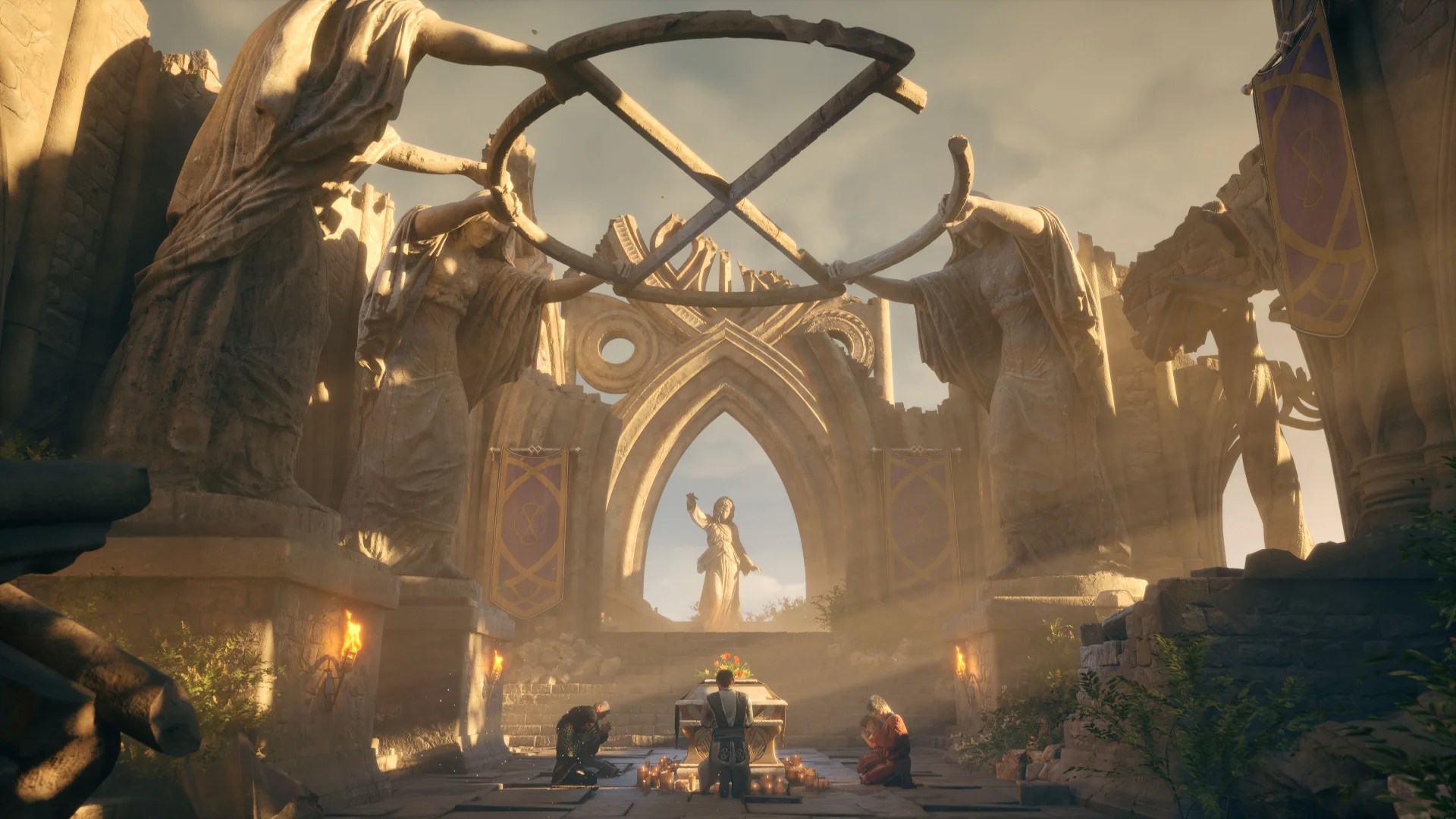
Solasta II delivers a noticeable step up in visible element, bringing each its jungle and concrete environments to life with larger constancy. Rural areas and metropolis areas alike really feel richer and extra densely layered, with much more tucked into every nook and cranny, alongside an elevated sense of scale and verticality that builds—fairly actually—on one of many authentic’s key strengths. The opening metropolis, Caer Mar, establishes a robust sense of place, from busy marketplaces filled with wares to full of life, bustling plazas.
There are nonetheless some tough edges to be ironed out: the dialogue and cutscene digital camera can really feel impressively tense and cinematic, however its occasional shake and shudder can grow to be distracting, whereas character expressions veer into the exaggerated gurn just a little too typically. Even so, these are rising pains that time to a extra bold imaginative and prescient than earlier than—and a crew turning into more and more assured with Unreal Engine 5.
Voice appearing in Solasta II is likewise improved, with a number of skilled performers bringing larger weight and character to the dialogue. Whereas the script nonetheless feels clumsy in locations, the general sense of character and supply is stronger, helped by the intelligent idea of every get together member representing a distinct sibling inside the similar household—every formed by their very own experiences and perspective. For instance, the “golden youngster” contrasts significantly with the “scapegoat” sibling in conversations, including a contemporary dynamic to interactions. The orchestral rating is pleasingly sturdy, matching content material and situation effectively, even when it doesn’t add something too surprising for the style.
Solasta II‘s story, sadly, hasn’t grabbed me but. From the outset, you management all members of the orphaned Colwall household, however the recreation throws them at you with out a lot introduction. As an alternative of easing you into their backgrounds or relationships, it feels extra like a tabletop “session zero,” the place a gaggle has simply created their characters and jumped straight into play. This strategy might need labored for Solasta 2 if the narrative had steadily revealed their personalities over time, however early interactions principally push you towards the following goal or fight encounter.
Even the central premise feels unfastened: the orphans’ adoptive household has hyperlinks to a non secular faction certain by some sort of covenant to oppose an evil often known as Shadwyn. The main points stay obscure, and the lore leaves fairly a couple of gaps so that you can kind a transparent understanding of what’s at stake, particularly because the get together is whisked off to a different continent (and one other lore dump) early on. Whereas the present Early Entry ending hints that the following chapter could fill in these blanks, the opening would profit from a extra grounded introduction that higher establishes the characters, their relationships, and the motivations behind key NPCs.
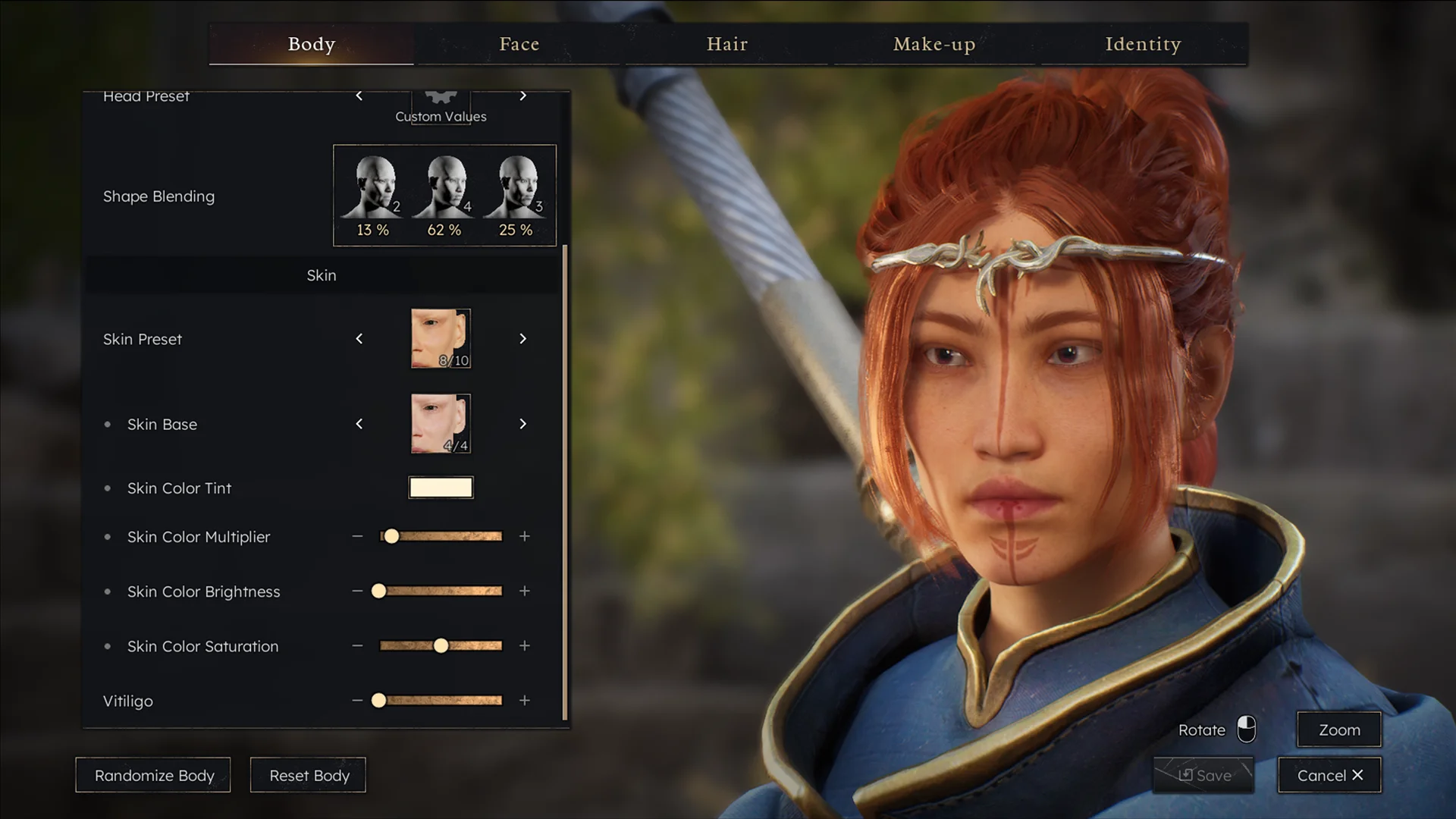
Solasta II retains its character choices intentionally near the D&D template. You construct from a well-recognized pool of ancestries—Elf, Halfling, Human, and Dwarf—with a handful of sub-variants accessible for elves including mild mechanical flavour on high. Class choice at present mirrors a decent, balanced choice: Cleric, Fighter, Paladin, Rogue, Sorcerer, and Wizard kind the core line-up, every branching into subclasses a couple of ranges in to outline position and playstyle extra clearly. The choice skews towards basic get together composition, particularly frontliners, divine assist, arcane injury, and utility. In consequence, builds really feel grounded and readable, however just a little conservative, particularly in the event you’re hoping for extra unique or hybridised roles early on.
Spell lists, in the meantime, stay certainly one of Solasta II‘s strongest and most trustworthy programs. Casters draw from class-specific lists that comply with tabletop conventions, with cantrips, spell slots, focus, and parts all applied cleanly. The accessible spells cowl a variety—injury (Hearth Bolt, Magic Missile), management (Sleep, Shatter), and assist (Bless, Treatment Wounds)—and reinforce clear battlefield roles. As a result of spells tie so tightly to class identification, they do a variety of the heavy lifting in differentiating builds, particularly given the comparatively restricted variety of energetic talents elsewhere.
Taken collectively, the present choice feels stable however restrained. There’s sufficient selection to construct a purposeful and different get together, however the general pool leans closely on familiarity, which is strengthened by the present character degree cap. Like the remainder of Solasta II’s programs, the category system prioritises trustworthy implementation over experimentation—rewarding gamers who take pleasure in working inside the construction of the tabletop guidelines, whereas leaving a way that future updates might broaden the palette significantly. When you aren’t prepared to simply accept this limitation, it will be clever to attend till later within the recreation’s growth.
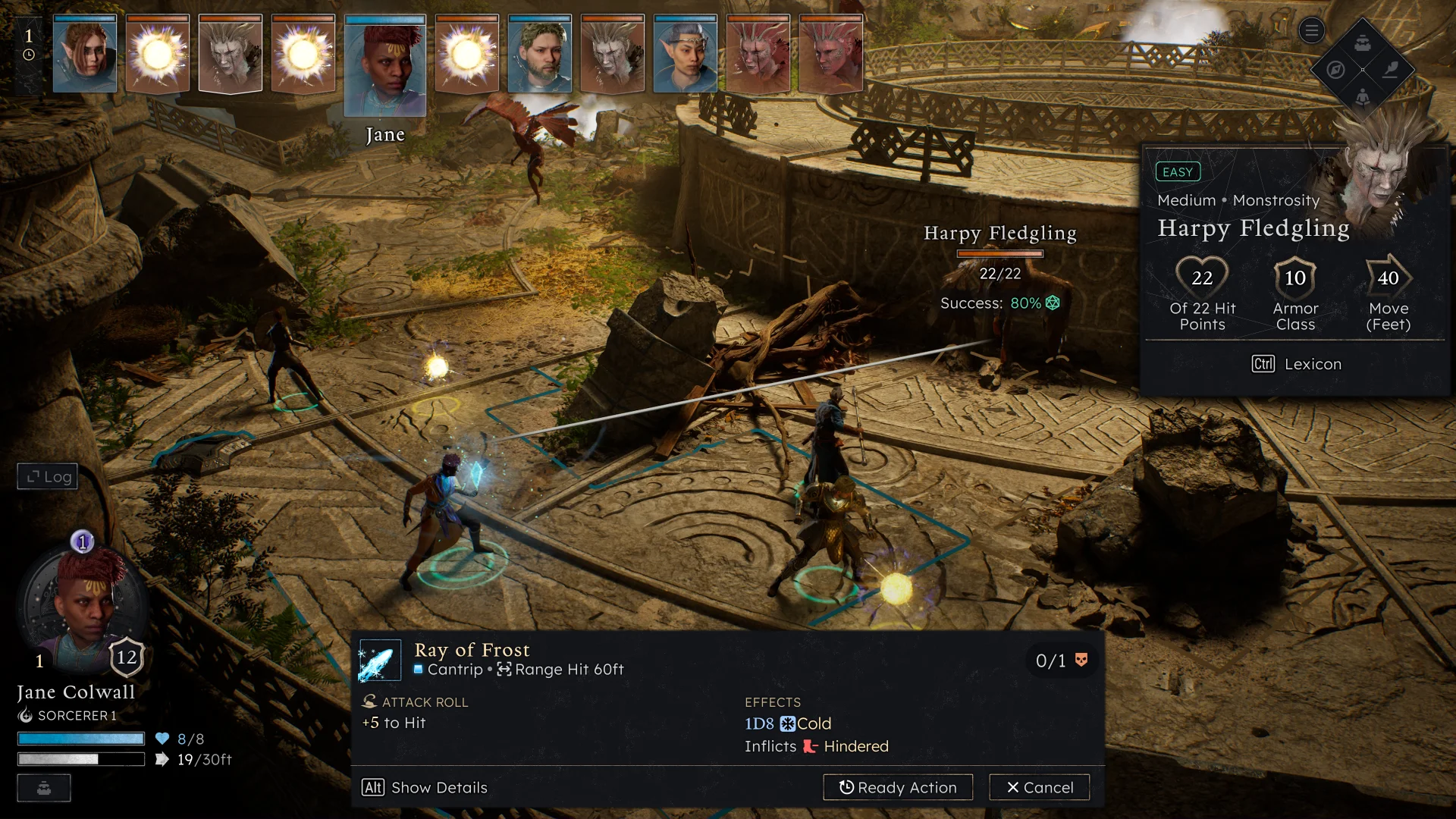
You’ll have to actively use each a part of your character’s toolkit in turn-based fight as a result of encounters present little mercy. Success is dependent upon a stable grasp of the principles, together with good kiting, positioning, and management of terrain and line of sight. The hard-hitting enemies scale rapidly in degree and well being and sometimes overwhelm the battlefield with sheer numbers.
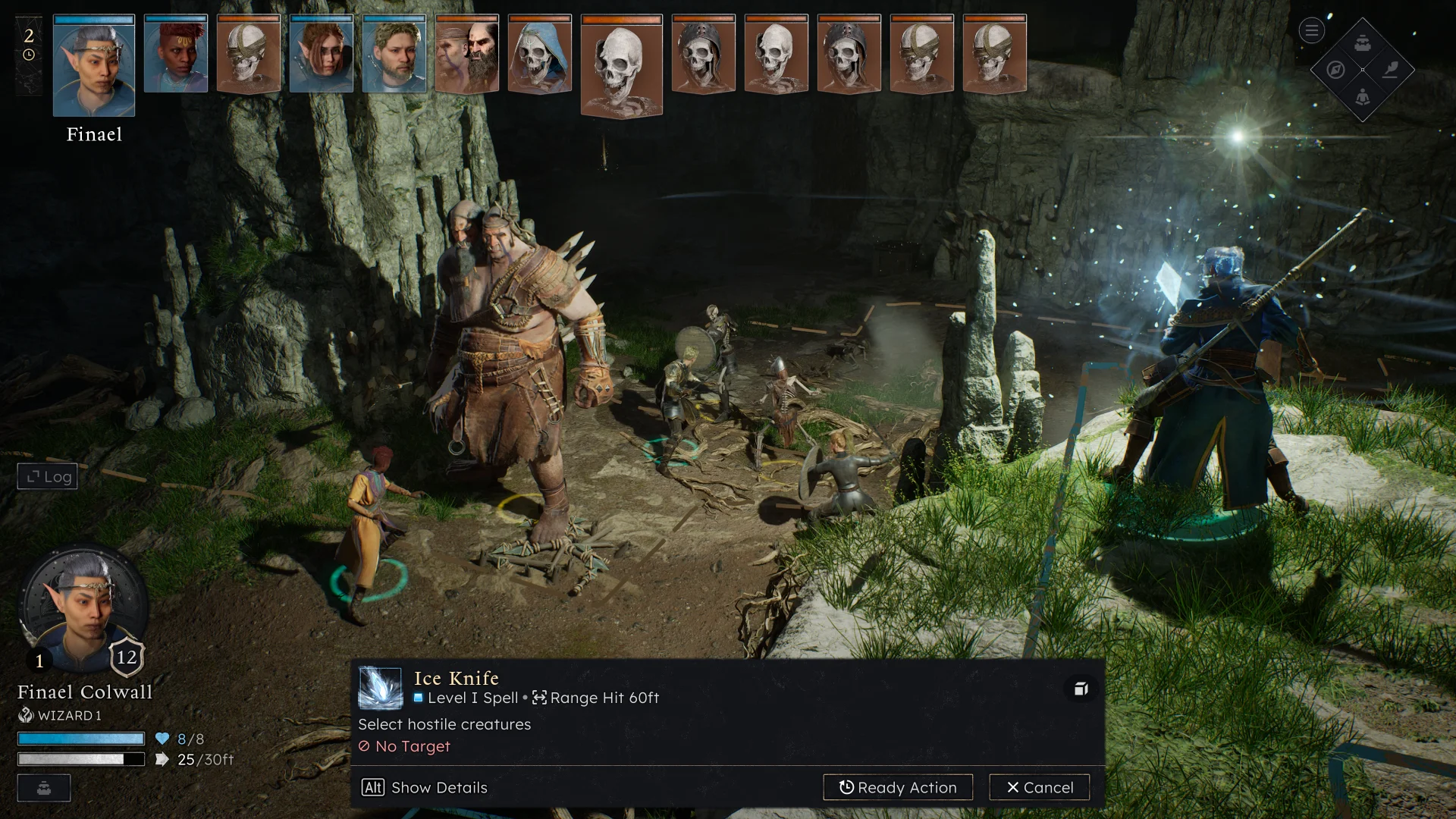
Solasta II shines in these moments. Its clear, intuitive fight UI makes it straightforward to plan motion, positioning, and skill use with out friction. Even in Early Entry, encounters present promising design selection: an all-undead battle checks sustained injury and crowd management, whereas a brutal ambush—that includes terror birds and snipers on excessive floor—forces you to rethink loadouts and spell selections. Though there are some environmental actions and alternatives, it’ll be good to see extra as the sport progresses to interrupt up longer combats: Solasta II can’t disguise the truth that fifth Version, regardless of being fairly fast, can nonetheless get slowed down in extraneous reactions and a number of sprint maneuvers.
Solasta II showcases the nascent begin of its different roleplaying programs. Faction identification and alignment play a task within the Colwalls’ journey, with standing influencing dialogue choices and unlocking entry to particular service provider catalogues. You possibly can align with a variety of teams—from rebels in search of to overturn the established order in Caer Mar to the nomadic Ka’Umm who roam the wildlands—every providing completely different views and alternatives.
Exploration leans into a conventional hex-based construction. As you uncover the map, you set off brief narrative occasions with ability checks or enter bigger, bespoke places equivalent to historic tombs or tribal settlements. Journey consumes time, and a few encounters expire in the event you delay, forcing you to prioritise which results in comply with earlier than resting. Crafting supplies seem ceaselessly all through your journey, however the system itself stays unavailable for now, with its full implementation anticipated later within the 12 months.
Very like the two-headed ettins that roam its world, you’ll be able to learn Solasta II in two methods. On one hand, it presents a wealthy playground for 5e programs, supported by a clear, well-designed UI, sturdy visible property, and the clear promise of ongoing updates and community-driven growth. On the opposite, the present marketing campaign feels sparse, and the roleplaying and character growth programs don’t but match the energy of the underlying mechanics. For all its technical constancy, the expertise can come throughout as extra of a framework than a totally realised journey.
In that sense, Solasta II brims with potential, however a lot lies forward, prone to be formed by future updates and participant enter. Whether or not that will probably be sufficient to raise it into the highest tier of the style, particularly as its most important rival begins to fade in reminiscence, stays an open query. For now, I’m prepared to set out after that promise myself, give it time, and see whether or not this journey leads someplace actually memorable.